Introduction
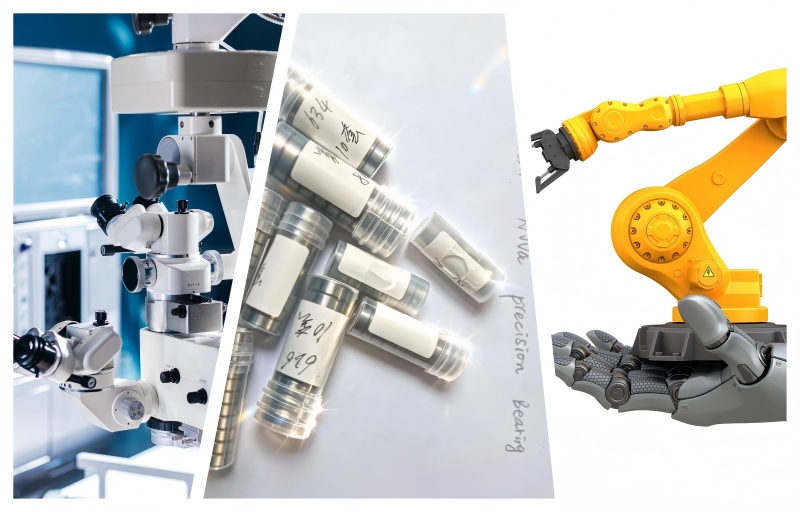
When manufacturers of medical devices, automated robotic equipment, and optical measuring instruments search for reliable rotating components,
miniature stainless steel ball bearings emerge as the critical solution. These tiny engineering marvels deliver exceptional performance in spaces where every millimeter counts. As a leading
miniature bearing factory with decades of precision manufacturing experience, we understand that selecting the right bearing directly impacts product reliability, service life, and end-user satisfaction.
In today's rapidly evolving precision industries, the demand for micro ball bearings continues to grow. The global miniature bearings market is projected to reach USD 4.02 billion by 2035, driven primarily by advancements in medical technology and industrial automation. Whether you're designing surgical instruments, dental handpieces, or robotic actuators, choosing the correct precision miniature bearings ensures smooth operation, minimal maintenance, and consistent performance over millions of cycles.
This comprehensive guide covers everything you need to know about stainless steel miniature bearings, from their core advantages and technical specifications to practical selection criteria and quality assurance standards. By the end, you'll have the knowledge to make informed decisions for your next precision engineering project.
What Are Miniature Stainless Steel Ball Bearings?
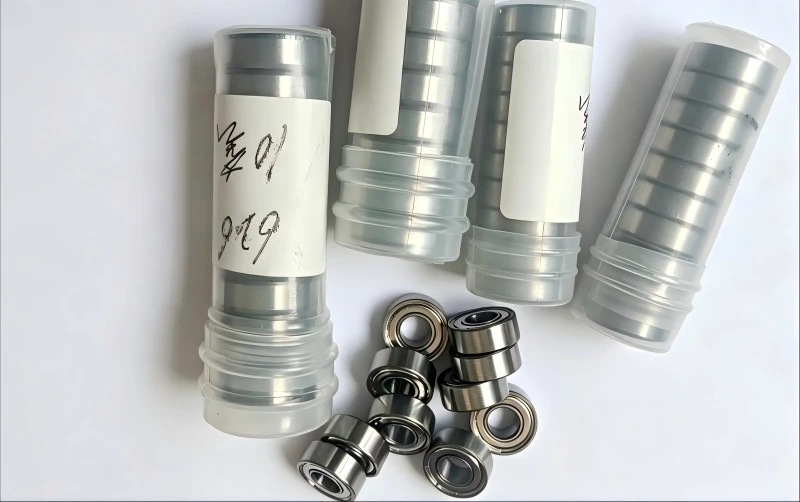
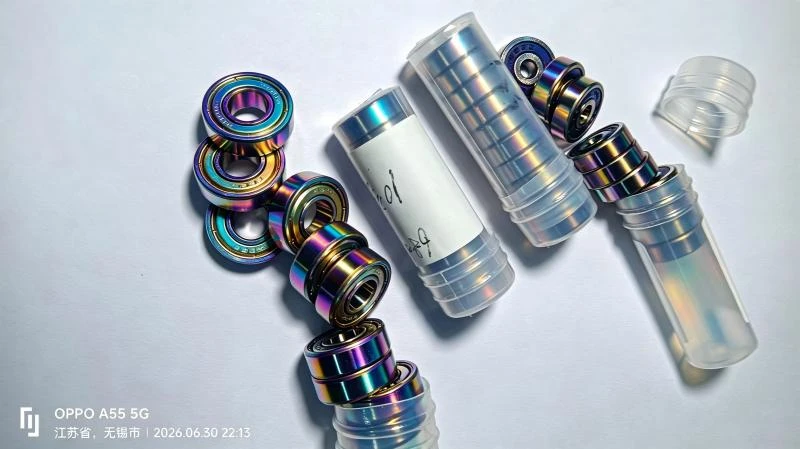
Miniature stainless steel ball bearings are deep groove ball bearings with bore diameters typically ranging from 1mm to 15mm, manufactured from high-grade stainless steel materials such as AISI 304 or 440C stainless steel. Unlike standard industrial bearings, these micro-components are engineered to operate reliably in confined spaces while maintaining strict tolerances and exceptional rotational accuracy.
The construction follows the fundamental deep groove bearing design principle: an inner ring, outer ring, precision steel balls bearing, and a cage that maintains proper ball spacing. What sets miniature bearings apart is the manufacturing precision required at such small scales. Even microscopic imperfections in raceway finish or ball roundness can significantly affect performance, noise levels, and service life.
Stainless steel construction offers several key advantages over traditional chrome steel bearings. First and foremost is corrosion resistance, making these bearings suitable for medical equipment that requires regular sterilization or devices operating in humid environments. Additionally, stainless steel provides good magnetic properties control—an essential feature for MRI-compatible medical devices and sensitive electronic equipment.
Key Applications Across Industries
Medical Equipment and Healthcare
The medical sector represents the fastest-growing application for miniature stainless steel ball bearings, accounting for approximately 21% of global consumption. Medical devices demand the highest standards of reliability and precision because patient safety depends on consistent performance.
Surgical instruments and power tools represent one of the most demanding applications. Surgical drills, saws, and micro-surgical tools require bearings that can operate at high speeds—sometimes exceeding 350,000 RPM in dental turbines—while maintaining precise control. More than 95% of surgical power tools specify ABEC-5 or higher precision grade bearings to ensure the accuracy surgeons need for delicate procedures.
Dental handpieces represent another critical application. Both high-speed and low-speed dental handpieces rely on
micro ball bearings to deliver the smooth, vibration-free operation that dentists and patients expect. These bearings must withstand repeated autoclave sterilization cycles without degradation, making stainless steel the material of choice.
Diagnostic and imaging equipment such as MRI machines, CT scanners, and ultrasound devices also depend on precision bearings. In MRI environments specifically, non-magnetic stainless steel or ceramic hybrid bearings are essential to prevent image distortion and ensure patient safety. The gantry systems that rotate imaging components require bearings with exceptional running accuracy and minimal vibration to produce clear, diagnostic-quality images.
Micro-pumps and infusion devices represent yet another medical application. Insulin pumps, dialysis machines, and laboratory analysis equipment use miniature bearings to ensure precise fluid delivery rates. In these life-critical applications, bearing reliability directly translates to patient safety and treatment effectiveness.
Industrial Automation and Robotics
As automation technology advances, precision miniature bearings play an increasingly vital role in robotic systems and automated manufacturing equipment. Robotic arms, grippers, and joint mechanisms require compact bearings that can handle both radial and axial loads while enabling precise, repeatable motion.
Collaborative robots (cobots) represent a particularly fast-growing segment. These robots work alongside human operators, requiring smooth, quiet operation and precise positioning. Miniature bearings in the robot's wrist and finger joints enable the delicate manipulation capabilities that make cobots so versatile for assembly, packaging, and laboratory automation tasks.
Automated assembly equipment also depends heavily on micro bearings. High-speed pick-and-place machines, conveyor systems, and precision positioning stages all require bearings that can maintain accuracy over millions of operating cycles. The low friction characteristics of quality miniature stainless steel ball bearings help reduce energy consumption and extend equipment service intervals.
Precision Instruments and Optical Equipment
The precision instrument industry relies on miniature bearings for applications where rotational accuracy is paramount. Optical encoders, gyroscopes, and measuring instruments all require bearings with minimal runout and consistent torque characteristics.
Optical equipment such as camera lenses, microscopes, and telescopes use miniature bearings in focus mechanisms and rotary stages. These applications demand exceptionally smooth rotation with zero play to ensure precise optical alignment. The stainless steel construction also provides corrosion resistance, protecting precision optics in varying environmental conditions.
Laboratory and testing equipment represents another important application. Analytical instruments, sample handlers, and testing machines require reliable bearing performance to produce accurate, repeatable test results. In many laboratory environments, stainless steel bearings are preferred for their cleanability and resistance to chemical exposure.
Technical Advantages of Stainless Steel Construction
Choosing miniature stainless steel ball bearings over alternative materials offers several distinct technical advantages that make them the preferred choice for demanding applications.
Corrosion Resistance
The most significant advantage of stainless steel bearings is their inherent corrosion resistance. AISI 440C stainless steel, the most common material for high-precision miniature bearings, provides excellent resistance to moisture, chemicals, and atmospheric corrosion. This makes stainless steel bearings ideal for medical equipment that undergoes regular sterilization, marine applications, or devices operating in humid or corrosive environments.
For applications requiring even greater corrosion resistance, such as surgical instruments that must withstand repeated autoclaving, 316L stainless steel or ceramic hybrid bearings offer enhanced performance. These materials maintain their structural integrity and surface finish even after hundreds of sterilization cycles.
Hygienic Properties
In medical, pharmaceutical, and food processing applications, hygiene is paramount. Stainless steel's smooth, non-porous surface resists bacterial growth and is easy to clean and sterilize. Unlike porous materials that can harbor contaminants, stainless steel can be thoroughly sanitized using standard cleaning and sterilization methods without compromising bearing performance.
Magnetic Properties Control
Stainless steel bearings offer varying levels of magnetic response depending on the specific alloy. Austenitic stainless steels like 304 and 316 are essentially non-magnetic in their fully annealed state, making them suitable for MRI-compatible medical devices and sensitive electronic equipment where magnetic interference could cause problems.
For applications where some magnetism is acceptable but corrosion resistance is still needed, martensitic stainless steels like 440C provide excellent wear resistance and higher load capacity while still offering good corrosion protection.
Durability and Long Service Life
High-quality miniature stainless steel ball bearings manufactured to precise tolerances offer exceptional service life when properly lubricated and maintained. The combination of precision-ground raceways, high-purity steel balls, and advanced cage designs ensures consistent performance over millions of rotations.
In medical equipment applications, where downtime can be costly and potentially dangerous to patients, the reliability of stainless steel bearings provides peace of mind. Properly specified and maintained, these bearings can deliver years of trouble-free operation even in demanding conditions.
How to Select the Right Miniature Bearing
Selecting the correct miniature stainless steel ball bearing for your application requires careful consideration of several technical factors. Making the right choice ensures optimal performance, maximum service life, and cost-effectiveness.
Size and Dimension Requirements
The first consideration is always physical size. Miniature bearings are available in both metric and inch sizes, with bore diameters ranging from 1mm up to 15mm or more. Standard series include the 68, 69, 60, and 62 series, each offering different load capacities and cross-sectional heights.
When selecting bearing size, consider not only the shaft diameter but also the available radial space, required load capacity, and speed requirements. A larger bearing can handle higher loads but may be too large for space-constrained designs. Conversely, a bearing that's too small may fail prematurely under load.
Load Requirements
Understanding the load conditions—both magnitude and direction—is essential for proper bearing selection. Miniature deep groove ball bearings primarily handle radial loads but can also accommodate moderate axial loads.
For applications with significant axial loads or combined radial and axial loading, angular contact miniature bearings may be more appropriate. These bearings are designed with a contact angle that better supports thrust loads, making them suitable for applications like pumps, compressors, and certain types of motors.
Speed Requirements
Operating speed is another critical selection factor. Miniature bearings can operate at very high speeds, but the actual speed limit depends on several factors including bearing size, precision grade, lubrication method, and cage design.
High-speed applications typically require precision-grade bearings with special cage designs and high-performance lubricants. Dental turbines, for example, can operate at speeds exceeding 300,000 RPM, requiring specially engineered bearings with ceramic balls and specialized lubrication systems.
Environmental Conditions
The operating environment significantly impacts bearing selection and expected service life. Factors to consider include temperature range, moisture or chemical exposure, cleanliness requirements, and sterilization methods.
For medical equipment that undergoes autoclave sterilization, stainless steel bearings with high-temperature lubricants or dry film coatings are necessary. In cleanroom environments, bearings with special seals and low-outgassing lubricants may be required to prevent contamination.
Precision Grade
Bearing precision grade determines the manufacturing tolerances and running accuracy. Standard precision grades include ABEC-1, ABEC-3, ABEC-5, ABEC-7, and ABEC-9, with higher numbers indicating tighter tolerances.
For most general-purpose applications, ABEC-3 or ABEC-5 precision is sufficient. However, high-precision applications like medical instruments, optical equipment, and high-speed spindles may require ABEC-7 or even ABEC-9 precision grades to achieve the necessary performance.
Quality Standards and Certification
When sourcing miniature stainless steel ball bearings, verifying quality standards and certifications is essential for ensuring consistent performance and reliability. Reputable manufacturers adhere to international standards and maintain rigorous quality management systems.
ISO 9001 Quality Management
ISO 9001 certification is the baseline requirement for any bearing manufacturer committed to quality. This international standard ensures that the manufacturer has established and maintains a systematic approach to quality management, including documented processes, continuous improvement procedures, and customer focus.
For medical device manufacturers, additional certifications such as ISO 13485 (medical devices quality management) may be relevant. This specialized standard addresses the specific quality requirements of medical device manufacturing, including traceability, risk management, and regulatory compliance.
Bearing Industry Standards
Beyond general quality management, bearing manufacturers should comply with industry-specific standards. ISO 3290 defines the dimensional and geometric tolerances for rolling bearings, while ABMA (American Bearing Manufacturers Association) standards provide additional specifications for precision bearings.
For miniature bearings used in medical applications, compliance with relevant medical device regulations is essential. This may include FDA requirements in the United States, CE marking in the European Union, and other regional regulatory standards.
Material Traceability
High-quality bearing manufacturers maintain full material traceability throughout the production process. This means every batch of bearings can be traced back to the original steel melt, with documentation of material composition, heat treatment parameters, and inspection results.
Material traceability is particularly important for medical and aerospace applications where component failure could have serious consequences. When selecting a miniature bearing supplier, always verify their traceability capabilities and documentation practices.
Why Choose NOVA for Your Miniature Bearing Needs
As an experienced
miniature bearing factory specializing in precision stainless steel bearings,
NOVA bearing offers several distinct advantages that make us the preferred partner for medical device manufacturers, automation companies, and precision instrument builders worldwide.
Comprehensive Product Range
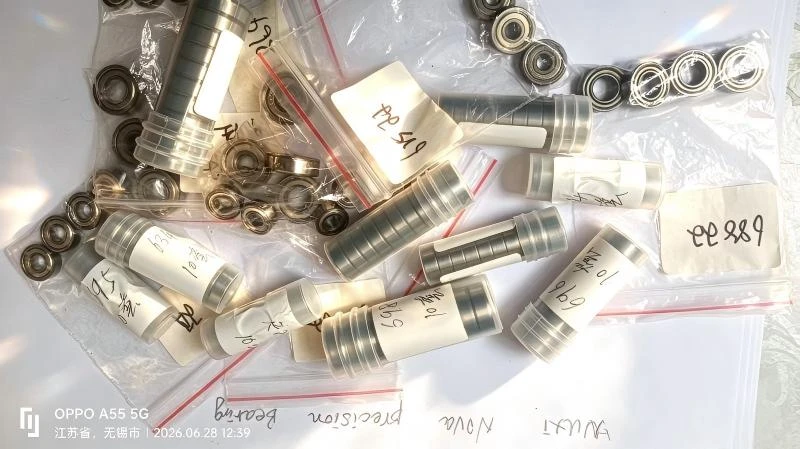
We offer an extensive selection of miniature stainless steel ball bearings covering all standard sizes and configurations. Our product range includes:
68, 69, 60, and 62 series deep groove miniature bearings
Flanged bearings for easy mounting and alignment
Shielded and sealed configurations for different protection levels
Open bearings for applications where lubrication access is required
Custom-designed bearings for specialized applications
With bore diameters from 1mm to 15mm and both metric and inch sizes available, we can meet virtually any
miniature bearing requirement.
Advanced Manufacturing Capabilities
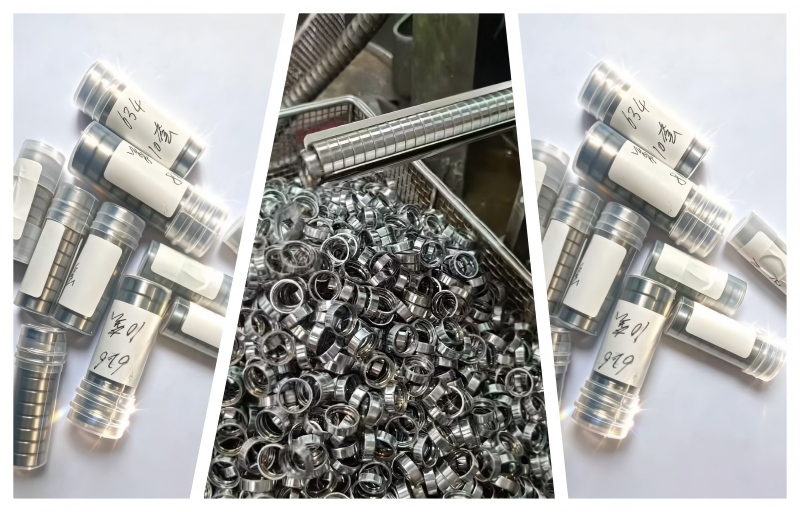
Our state-of-the-art manufacturing facility features precision grinding equipment, automated assembly lines, and comprehensive quality inspection systems. We manufacture bearings to ABEC-5 and ABEC-7 precision grades as standard, with ABEC-9 precision available for high-end applications.
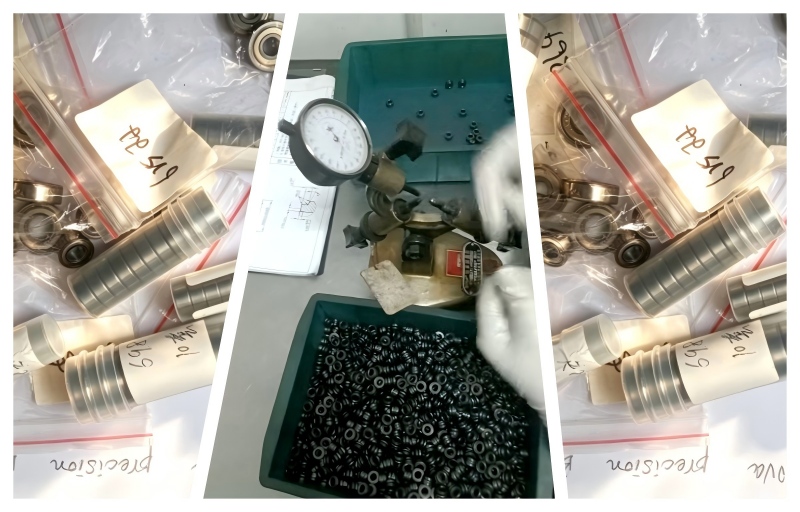
Every bearing undergoes rigorous inspection including dimensional verification, noise testing, and rotational smoothness assessment. Our advanced measurement equipment ensures that every bearing meets or exceeds specified tolerances.
Quality Assurance and Testing
Quality is embedded in every stage of our manufacturing process. From incoming material inspection to final product testing, we maintain strict quality control procedures to ensure consistent, reliable performance.
Our quality assurance program includes:
Full material traceability from steel mill to finished bearing
In-process inspection at every manufacturing stage
100% dimensional inspection of critical features
Noise and vibration testing
Life testing and performance validation
Regular calibration of all measurement equipment
Customization and Engineering Support
We understand that every application is unique. Our experienced engineering team works closely with customers to develop custom bearing solutions that meet specific performance requirements. Whether you need special materials, custom dimensions, specialized lubrication, or unique mounting features, we can design and manufacture bearings tailored to your application.
Our engineering support extends beyond product design. We can assist with bearing selection, installation guidance, lubrication recommendations, and failure analysis to help you optimize bearing performance and service life in your application.
Reliable Supply and Competitive Pricing
As a direct miniature bearing factory, we offer competitive pricing without intermediaries. Our efficient manufacturing processes and economies of scale enable us to provide high-quality bearings at cost-effective prices.
We maintain substantial inventory of standard sizes for quick delivery, and our flexible production capabilities allow us to accommodate both small prototype quantities and large volume production orders. With reliable lead times and responsive customer service, we make it easy to keep your production lines running smoothly.
Frequently Asked Questions
What is the difference between miniature bearings and standard bearings?
Miniature bearings are distinguished primarily by their small size—typically with bore diameters of 15mm or less. Beyond size, miniature bearings often require tighter manufacturing tolerances because even microscopic imperfections have a proportionally greater impact at smaller scales. The cage design, lubrication requirements, and sealing solutions also differ from standard bearings due to the compact dimensions and specialized applications.
How long do miniature stainless steel ball bearings last?
Bearing service life depends on numerous factors including load, speed, lubrication, environmental conditions, and installation quality. Under optimal conditions with proper lubrication and maintenance, high-quality miniature stainless steel ball bearings can provide thousands of hours of reliable operation. In medical equipment applications with moderate speeds and loads, service lives of 5-10 years are common with proper maintenance.
Can miniature bearings be sterilized?
Yes, stainless steel miniature bearings can be sterilized using standard methods including autoclaving, ethylene oxide (EtO) gas, and gamma irradiation. However, sterilization can affect the lubricant, so it's important to select bearings with sterilization-compatible lubricants or plan for relubrication after sterilization. For applications requiring repeated sterilization, dry-lubricated bearings or bearings with solid film lubricants may be more appropriate.
What lubrication is best for miniature bearings?
The optimal lubrication depends on the application requirements. For general-purpose applications, premium lithium-based grease is commonly used. High-speed applications may require low-viscosity oil lubrication to minimize friction and heat generation. For medical applications, medical-grade lubricants that meet biocompatibility requirements are essential. Our engineering team can recommend the best lubrication solution based on your specific operating conditions.
What is the minimum order quantity for custom miniature bearings?
We understand that product development often requires small quantities for prototyping and testing. Our minimum order quantities for custom bearings are flexible, and we can accommodate prototype runs as small as 100 pieces for certain configurations. For standard catalog bearings, we offer even lower minimums, with many sizes available from stock with no minimum order requirement.
Conclusion
Miniature stainless steel deep grove ball bearings are essential components in today's precision-engineered products, from life-saving medical devices to advanced automation systems. Their combination of compact size, exceptional precision, corrosion resistance, and reliable performance makes them indispensable in applications where failure is not an option.
When selecting precision miniature bearings for your project, consider not just the initial cost but the total value over the bearing's service life. High-quality bearings from a reputable manufacturer like NOVA deliver consistent performance, longer service life, and reduced maintenance requirements—ultimately saving you money and ensuring customer satisfaction.
As an experienced miniature bearing factory with a commitment to quality and customer success, we're ready to support your bearing needs from prototype development through full-scale production. Our technical expertise, comprehensive product range, and competitive pricing make us the ideal partner for your precision bearing requirements.
Ready to find the perfect miniature stainless steel ball bearings for your application? Contact our engineering team today for personalized recommendations and technical support. We'll help you select the optimal bearing solution for your specific requirements, ensuring reliable performance and maximum value.