Industry News
Latest Bearing Industry News & Solutions


Latest Bearing Industry News & Solutions
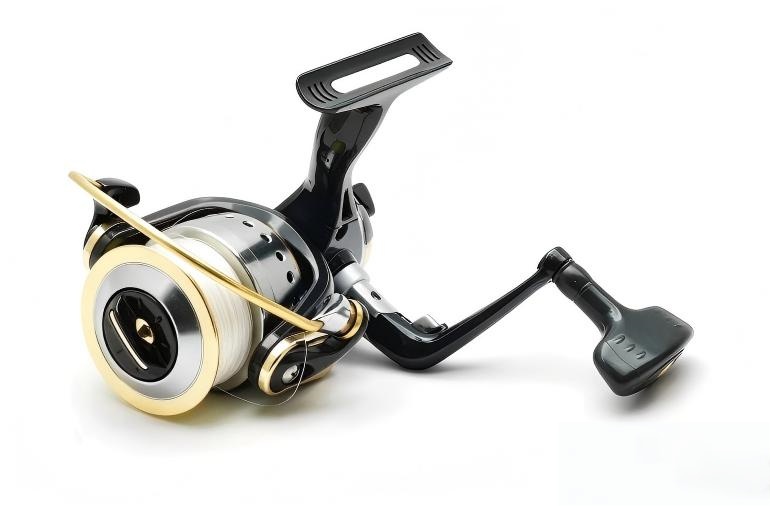
If your fishing reel isn’t spinning as smoothly as it used to, or it’s making strange noises when you cast, the bearings are almost always the culprit. Cleaning and lubricating fishing reel bearings is one of the most important maintenance tasks you can do to extend the life of your reel, improve casting distance, and prevent costly damage.
This guide will walk you through the entire process, from disassembly and cleaning to lubrication and reassembly. Whether you use a spinning reel or a baitcasting reel, these steps will work for you.
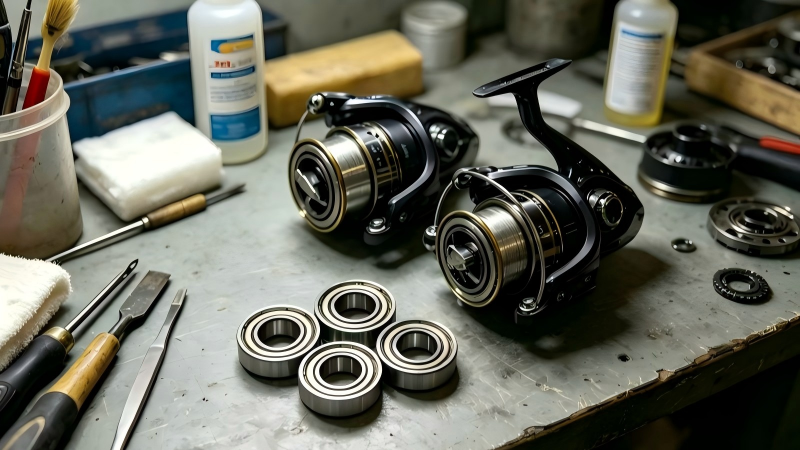
Why Fishing Reel Bearings Need Regular Care?
Fishing reel bearings are small but critical components that allow your spool to spin freely. They take a beating from saltwater, dirt, sand, and old lubricant buildup, which can cause:
- Reduced casting distance
- Noisy or rough spool spin
- Increased friction and drag
- Corrosion and premature failure
For anglers fishing in saltwater environments, regular cleaning and lubrication are especially important to prevent rust and keep your reel performing reliably trip after trip.
What You’ll Need?
Before you start, gather these tools to make the process quick and easy:
- A small container for cleaning solvent
- Isopropyl alcohol or dedicated bearing cleaner
- Cotton swabs and soft cloths
- High-quality fishing reel bearing oil
- Small screwdriver or tool for removing bearings
- Your reel and replacement bearings (if needed)
Step 1: Disassemble the Reel and Remove Bearings
1. Lay your reel on a clean, flat surface and take photos of the assembly to remember how everything fits back together.
2. Remove the spool, handle, and side plates to access the bearings.
3. Gently pop out each bearing using a small tool, being careful not to scratch the races.
Take this chance to inspect each bearing for signs of wear, rust, or damage. If they feel rough when you spin them, it may be time for a replacement.
Step 2: Clean the Bearings Thoroughly
Cleaning is the most important step in fishing reel bearing maintenance. Even small particles of dirt can scratch the bearing races and cause permanent damage.
1. Place the bearings in a small container of cleaning solvent and let them soak for 5-10 minutes.
2. Use a cotton swab dipped in cleaner to gently wipe the outer and inner races, removing any built-up gunk or old lubricant.
3. Spin the bearing between your fingers while submerged to work loose any trapped debris.
4. Remove the bearings and set them on a lint-free cloth to air dry completely. Never use heat, as it can damage the seals.
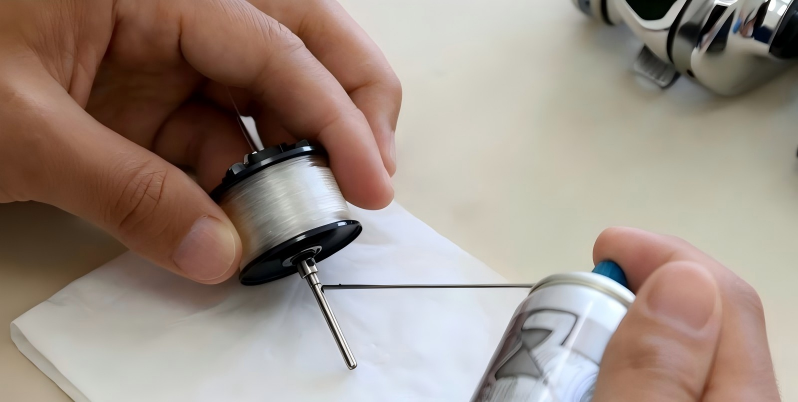
Step 3: Lubricate the Bearings for Smooth Performance
Once the bearings are fully dry, it’s time to lubricate them with high-quality fishing reel bearing oil. This step will reduce friction, prevent corrosion, and keep your reel spinning smoothly.
1. Apply one tiny drop of bearing oil to each bearing. Too much oil will attract dirt and cause drag.
2. Spin the bearing between your fingers to distribute the oil evenly across the races and balls.
3. Wipe away any excess oil with a clean swab.
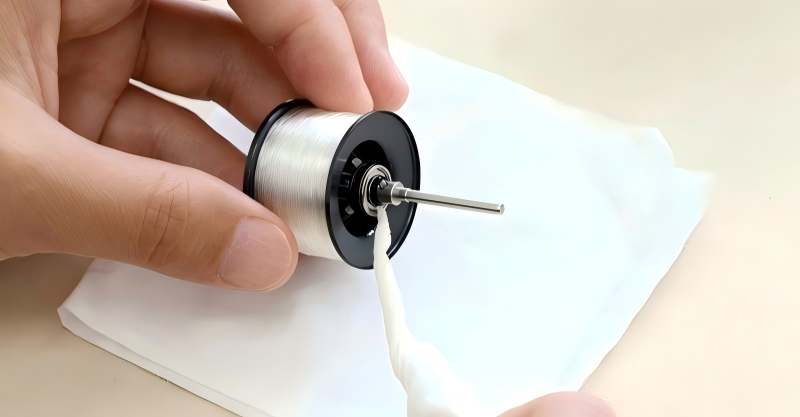
Step 4: Reassemble and Test the Reel
1. Place the cleaned and lubricated bearings back into their original positions in the reel.
2. Reassemble the reel parts in the reverse order you disassembled them, using your earlier photos as a guide.
3. Give the spool a quick spin. It should spin freely, smoothly, and without any grinding noise.
If you notice any drag or wobble, double-check that the bearings are seated correctly.
When to Replace Your Fishing Reel Bearings?
Even with the best maintenance, bearings eventually wear out. It’s time for new ones if:
They grind or squeal when you spin them, even after cleaning.
- They feel rough or have visible rust, pitting, or scratches on the races.
- The spool no longer spins freely, no matter how much you lubricate.
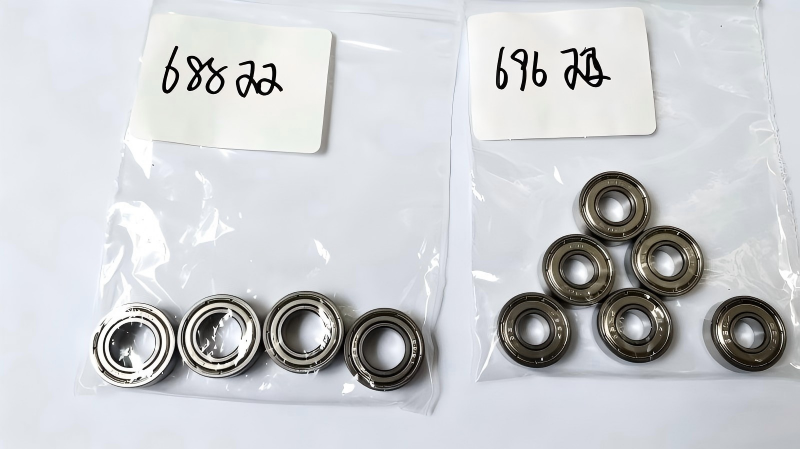
If you need replacement bearings, we offer high-quality 688ZZ and 696ZZ precision ball bearings designed specifically for fishing reels. These corrosion-resistant bearings are perfect for both spinning and baitcasting reels, delivering smooth performance even in saltwater conditions.
Final Tips for Long-Lasting Bearings
- Avoid over-lubricating: Too much oil causes drag and attracts dirt. One small drop per bearing is enough.
- Use the right oil: Always use dedicated fishing reel bearing oil, not general-purpose oil or WD-40.
- Clean after every saltwater trip: Rinse your reel with fresh water and lubricate the bearings to prevent corrosion.
- Store your reel in a dry place: Moisture is the biggest enemy of metal bearings.
By following these simple steps, you can keep your fishing reel bearings in top condition for years to come, ensuring smooth casts and reliable performance every time you hit the water.
Contact Us
If you need samples, quotations or further technical support, please feel free to contact us: Email: info@novabearing.com , We will reply to you within 24 hours.
For more knowledge about miniature bearing selection and applications, please check our other articles.